VR
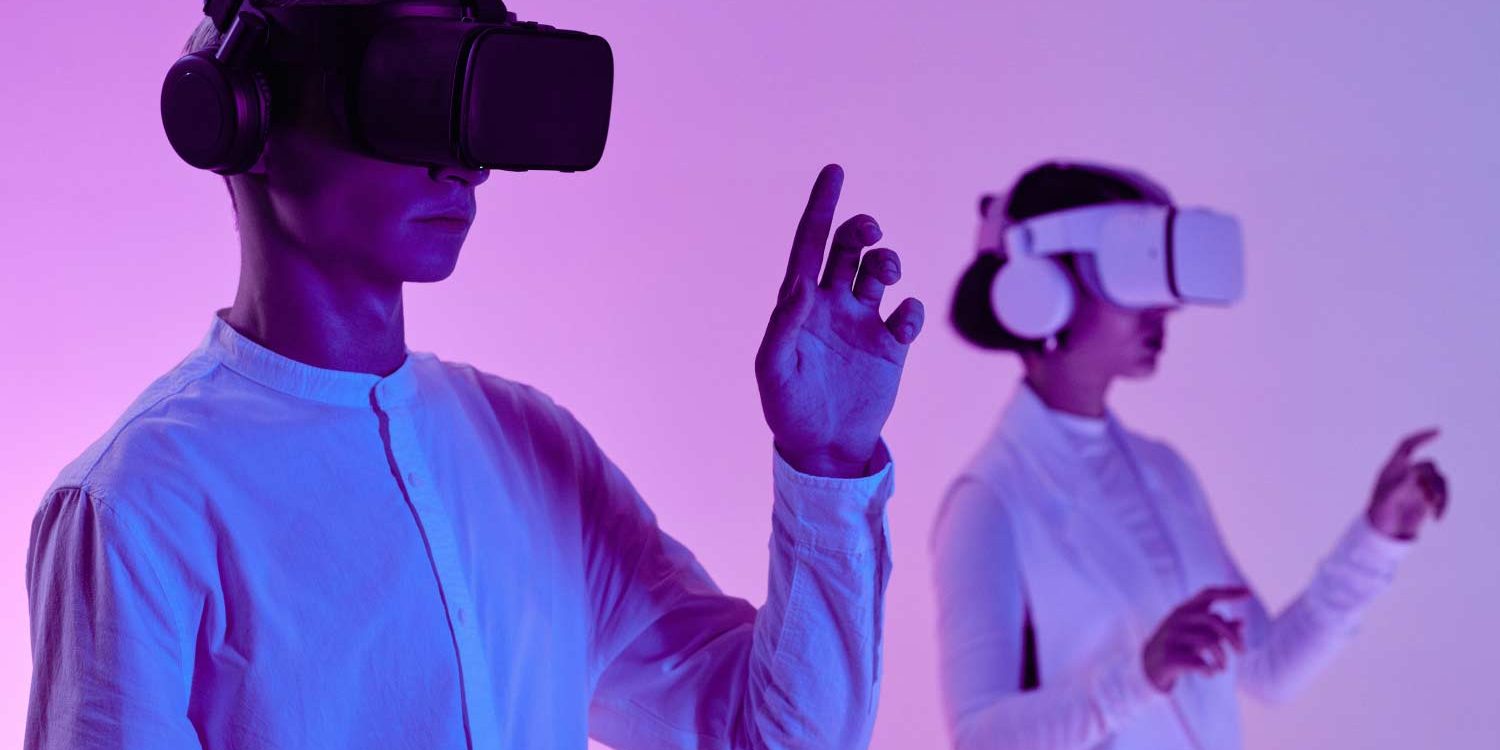
“Virtual Reality” (VR) is a new computer simulated technology in which a person can be placed in an artificial three-dimensional (3D) environment using special electronic devices, such as glasses and gloves equipped with sensors. to interact In this simulated artificial environment, the user can feel a real experience.
In virtual reality, a person can look up, down or in any direction through special glasses, as if they were really there. In fact, today virtual reality is defined as the reality that is produced by a computer. A simulated reality is an artificial world in which the user can place himself with appropriate technical equipment.
In other words, this technology works by placing the user inside an experience. Instead of seeing a screen in front of them, users interact with a 3D world and are immersed in it.
How does virtual reality work?
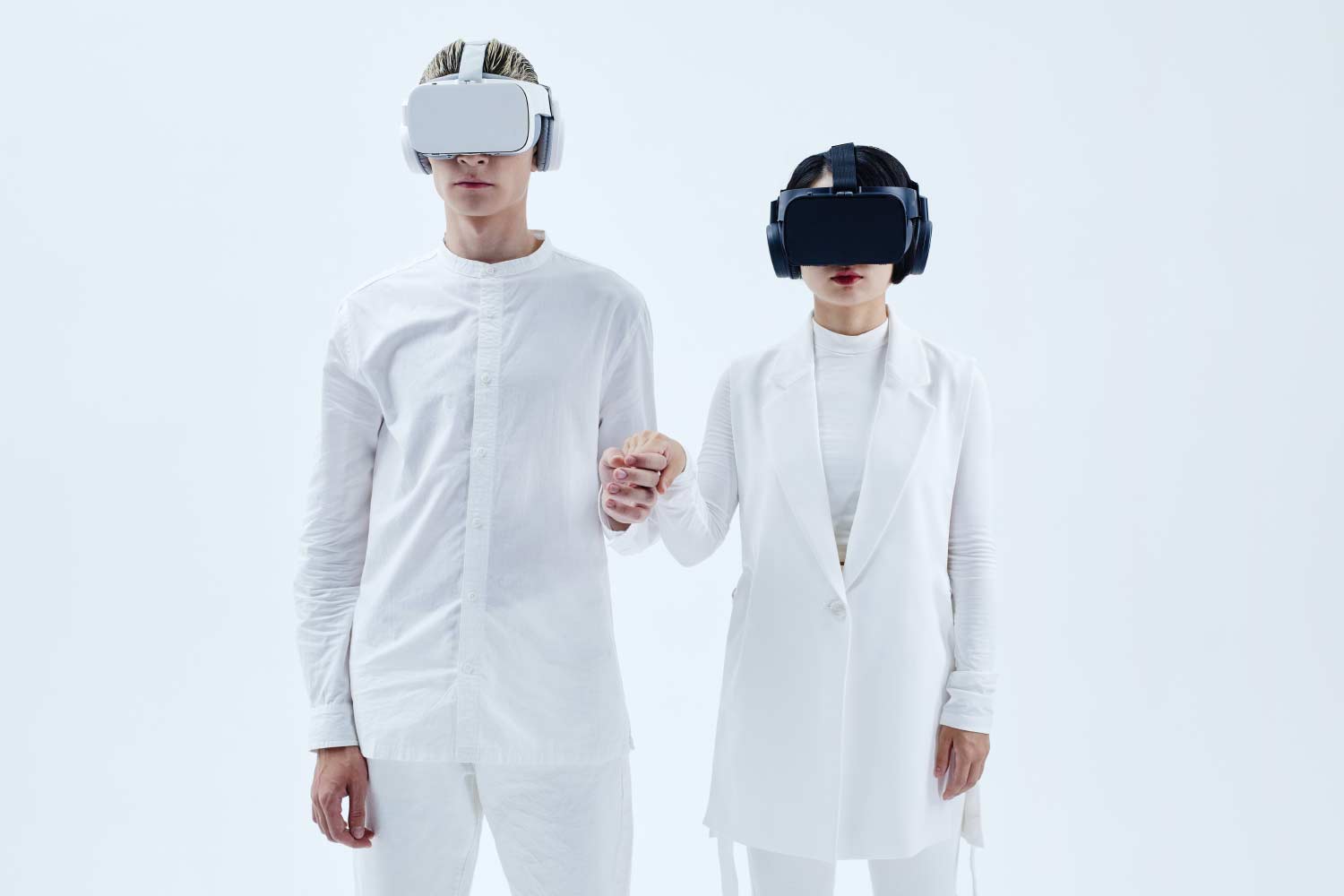
The term virtual reality consists of two words “real” and “virtual”. Simply put, virtual reality creates a real experience or, more precisely, an experience that is close to reality for people in an artificial space using simulated technology. This experience leads the person to interact with an artificial space.
Virtual reality technology creates a virtual world for users who use hardware equipment such as special glasses, headphones and gloves, and creates a real experience for them. In this way, the user can see the virtual world from the inside and interact with it.
The difference between VR and AR
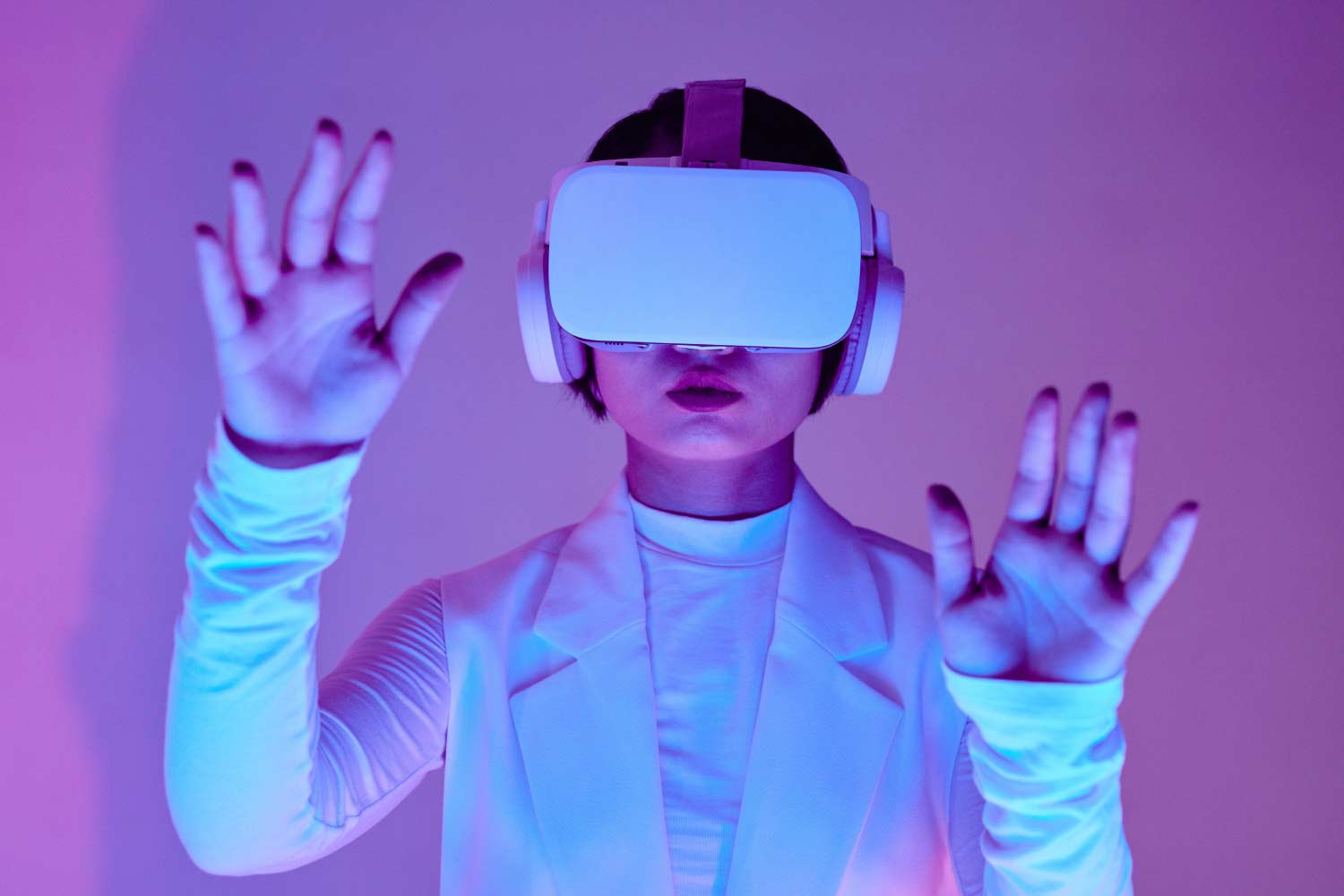
Virtual reality and Augmented Reality (AR) are two sides of the same coin. Augmented reality simulates artificial objects in the real environment, while virtual reality creates an artificial environment to inhabit.
In augmented reality, the computer uses sensors and algorithms to determine the position and direction of the camera. Simply put, in augmented reality, part of the information that the user perceives exists in the real world and part is created by the computer.
In virtual reality, instead of placing a real camera in a physical environment, the user’s eye position is in the simulated environment. If the user’s head turns, the graphics will react accordingly.
Instead of combining the objects of a virtual environment and a real scene, virtual reality technology creates an interactive and so real world for the person that the user is convinced that he is really present in that place.
A major difference between the two technologies is that virtual reality requires its own equipment, but augmented reality can be provided using simpler tools such as software that can be installed on tablets and smartphones that can add augmented reality features.
By installing these softwares, the images are received by the smartphone camera and other sensors such as the microphone, as input to the augmented reality software.
Then, the image processing is done and correspondingly, the digital information that can be images, sound or other things are converted into the output that can be presented to the user. As you know, augmented reality and virtual reality are both based on computer generated images.